
Finding Hope and Support for a Sober Holiday

David Mahler • November 26, 2026

The holiday season is often associated with happiness, family traditions, laughter, and making memories with the people we love. But for many families affected by alcohol or substance misuse, this time of year can bring a very different set of emotions. 


While others are looking forward to their holiday celebrations, some parents are worrying about the safety of their children. Some spouses are wondering whether alcohol will once again become the center of a family gathering. Others are simply hoping to get through the holidays without another disappointing experience. 


One of the things I believe we don't talk enough about is how, when one person struggles with alcohol or substance misuse, the entire family is affected. 


The Emotional Challenges of the Holiday Season 

The holidays can intensify feelings that we experience throughout the year. Stress, loneliness, grief, financial pressure, and strained relationships can become more difficult to manage.


For someone in early recovery, attending a holiday celebration where others are drinking may feel intimidating. Even someone who has maintained their sobriety for years can find themselves facing unexpected emotional triggers. 


Family members face their own challenges. They may spend so much time worrying about what their loved one might do that they are unable to enjoy the celebration themselves. 


Everyone deserves the opportunity to experience a peaceful holiday, including the family members who have spent so much of their lives caring for others. 


Loving Someone Without Losing Yourself 

As a family recovery coach, I often work with people who are emotionally exhausted from trying to help someone they love.


It's natural to want to protect our loved ones. However, there is a difference between supporting someone and assuming responsibility for their decisions. 


Establishing healthy boundaries doesn't mean that you love someone any less. It means recognizing that your emotional well-being is important too. 


Rather than spending the holidays trying to manage someone else's behavior, consider what you need to feel comfortable, safe, and emotionally healthy. 


Family recovery coaching can help parents, spouses, and other loved ones better understand their role, improve communication, and develop healthier ways of responding to difficult situations. 


Your own healing doesn't have to depend on whether your loved one is ready to begin theirs. 


The Empty Chair at the Holiday Table 

As a father who has lost two children, I understand how difficult the holidays can be when someone you love is no longer there. 


A familiar Christmas song, a family photograph, or a holiday tradition can suddenly bring back a lifetime of memories. 


We don't always know what the person sitting next to us at a holiday gathering may be carrying emotionally. Some people are grieving a loved one, while others are grieving relationships that have been damaged by years of alcohol or substance misuse. 


Give yourself permission to experience the holidays differently. You don't have to pretend everything is fine, and you don't have to feel guilty about finding moments of happiness while grieving. 

There is room for both sadness and joy, and there is always room for hope.


Could a Recovery Coach Be the Missing Link to a Sober Holiday? 

Many people understand the benefits of treatment, counseling, and recovery meetings, but they may not be familiar with the role of a professional recovery coach. 


Recovery coaching offers personalized, nonjudgmental support that helps individuals navigate the everyday challenges of recovery. 


Imagine someone who recently returned home from treatment and is preparing for their first sober Christmas. They want to spend time with their family but are concerned about being around alcohol, facing uncomfortable questions, or dealing with relatives who may not yet trust them. 


Working with a recovery coach before the holidays can help someone: 

• Recognize potential urges and emotional triggers. 

• Develop practical coping skills for stressful situations. 

• Prepare for uncomfortable conversations. 

• Establish healthy routines and personal boundaries. 

• Create a plan for leaving a situation that threatens their recovery. 

• Strengthen their support network and accountability. 


My role as a recovery coach is to meet people where they are and help them move toward where they would like to be. 


Recovery is about more than changing our relationship with alcohol or substances. It's also about rebuilding confidence, restoring relationships, and creating a healthier, more meaningful life. 


When More Support Is Needed: The Role of a Sober Companion 

Sometimes an individual needs more immediate support than scheduled recovery coaching sessions can provide. 


Perhaps someone is returning home from treatment shortly before Christmas, traveling to visit family, or attending a holiday celebration where alcohol will be readily available. 


A professional sober companion can provide personalized, in-person recovery support during these situations. 


Depending on the individual's needs, sober companion services can provide support for several hours, an entire day, during travel, or around the clock. 


Having someone alongside you who understands the challenges of recovery can help reduce feelings of isolation, reinforce healthy decisions, and provide encouragement when difficult emotions arise. 

Although a sober companion cannot guarantee sobriety or replace medical treatment or clinical care, this additional support can be an important part of a person's recovery journey.


Sometimes the willingness to make a change is already there. What someone needs is additional support to follow through on that commitment. 


Six Ways to Create a Healthier Holiday Season 

Whether you are personally navigating recovery or supporting someone you love, consider these suggestions: 


1. Let go of perfection. A meaningful holiday doesn't require everything to go according to plan. 

2. Establish boundaries ahead of time. Know what you are comfortable with before entering a potentially challenging environment. 

3. Create a recovery support plan. Identify people you can contact and healthy activities you can turn to when you're feeling overwhelmed. 

4. Prioritize your own well-being. Family members need encouragement, support, and time for themselves. 

5. Ask for help before a crisis occurs. Consider working with a recovery coach, family recovery coach, or sober companion before the holiday celebrations begin. 

6. Don't allow the past to determine your future. Difficult experiences in previous years don't mean this holiday season cannot be different. 


You Don't Have to Wait Until January to Make a Change 

If you're concerned about your drinking or substance use, you don't need to make another New Year's resolution before reaching out for help. 


You can begin making healthier choices today. 

If you are already in recovery, seeking additional support during the holidays is not a sign of weakness. It demonstrates that you recognize the value of protecting the progress you have made. 


And if you are a family member, remember that you are deserving of support regardless of where your loved one is in their recovery journey. 


The Greatest Gift This Holiday Season 

As we enter the holiday season, I encourage everyone to show a little more compassion toward individuals and families affected by alcohol or substance misuse. 


Breaking the stigma begins with how we speak about others, how we respond to their struggles, and how comfortable we make it for them to reach out for help. 


Perhaps the greatest gift we can offer someone this holiday season is understanding rather than judgment, encouragement rather than criticism, and hope rather than shame.


At Ground Zero Recovery Coaching, I provide individual recovery coaching, family recovery coaching, and professional sober companion services to help individuals and families navigate life's challenges without judgment. 


If you or someone you love could benefit from additional support this holiday season, I encourage you to reach out.


A sober holiday is possible. You and your family don't have to navigate it alone. 


This blog is adapted from my recently published BRAINZ Magazine article. To explore this topic in greater depth, I invite you to read the complete article below. 

Read the full BRAINZ Magazine article: How Families Can Find Hope and Support for a Sober Holiday

By David Mahler • October 8, 2026
A substance doesn't have to be illegal to become a problem in someone's life. That's an important conversation to have when it comes to kratom. Kratom has been in the news lately, yet many people still know very little about it. Others may have seen kratom products sold online, in smoke shops, convenience stores, or other retail locations and assumed that because these products are readily available, they must be relatively harmless. That assumption deserves a closer look. 
By David Mahler • August 31, 2026
Most workplace crises don't begin at work. They begin quietly, and the opportunity to help often appears long before a situation reaches the breaking point. Having the right support in place can make it easier for employees and families to seek help before personal challenges become workplace crises.
By David Mahler • July 15, 2026
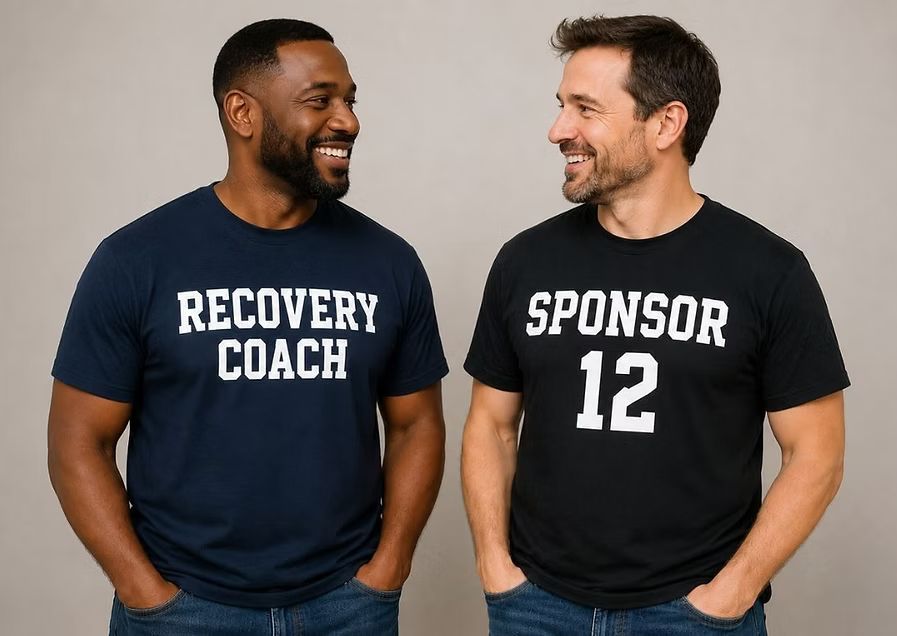
Because there are similarities, many people assume they are essentially the same thing. Others mistakenly believe that recovery coaching is simply sponsorship for hire. In reality, sponsors and recovery coaches serve different purposes, bring different strengths to the recovery process, and often help individuals in very different ways. Understanding those differences can help people make informed decisions about the type of support they may need at various stages of their recovery journey. The truth is that recovery is rarely a one size fits all process. Just as no two people arrive at recovery in exactly the same way, no two people maintain recovery in exactly the same way. Some individuals thrive with sponsorship alone. Others benefit from the additional structure and support a recovery coach can provide. Many find that a combination of supports creates the strongest foundation for long term success. Why the confusion exists Part of the confusion stems from the fact that both sponsors and recovery coaches often have lived experience with addiction and recovery. Both may share their stories. Both may provide encouragement during difficult moments. Both may help individuals stay focused on their recovery goals. Both may challenge unhealthy thinking and celebrate personal victories. From the outside looking in, the roles can appear remarkably similar. Yet when we look deeper, important distinctions begin to emerge. Sponsors and recovery coaches approach recovery from different perspectives, operate within different frameworks, and focus on different aspects of a person's journey. Neither role is better than the other. They are simply designed to meet different needs. The role of a sponsor For generations, sponsorship has been one of the cornerstones of Twelve Step recovery fellowships such as Alcoholics Anonymous (AA) and Narcotics Anonymous (NA). A sponsor is typically someone who has achieved sustained recovery and has worked through the Twelve Steps. They volunteer their time to help guide another person through the same process. Sponsors are not therapists, counselors, or clinicians. They are peers who offer guidance based on their own recovery experience and their understanding of the Twelve Step program. Their primary role is to help someone navigate the recovery process within the fellowship. Sponsors often help individuals work through the Twelve Steps, understand recovery literature, stay connected to meetings, develop accountability, apply spiritual principles, learn from shared experiences, and navigate challenges in early recovery. One of the greatest strengths of sponsorship is hope. When someone enters recovery feeling defeated, ashamed, or uncertain, they can look at a sponsor and see living proof that recovery is possible. The sponsor has walked a similar road. They understand the struggles, the setbacks, and the victories because they have experienced them firsthand. That type of lived experience is incredibly valuable and has helped millions of people achieve and maintain recovery. The emergence of recovery coaching While sponsorship has existed for decades, recovery coaching is a relatively newer profession that has grown significantly over the past twenty years. As addiction treatment and recovery support services evolved, professionals began recognizing that many individuals needed help navigating challenges that extended beyond treatment programs, support groups, and recovery meetings. People needed support rebuilding their lives. They needed help setting goals, creating structure, repairing relationships, finding employment, accessing resources, and developing healthy routines. Simply put, they needed support not only in maintaining recovery but also in creating a meaningful life in recovery. This realization helped fuel the growth of recovery coaching. A Certified Addiction Recovery Coach is a trained professional who helps individuals identify goals, overcome obstacles, access resources, and build recovery capital, the internal and external strengths that support long term recovery. Recovery coaching is person centered, strengths based, and future focused. Rather than telling people what they should do, coaches help clients identify what they want for their lives and develop practical strategies for achieving it. The focus is not on directing a person's recovery journey. The focus is on helping them build one. What does a recovery coach actually do? One of the biggest misconceptions about recovery coaching is that coaches simply check in on clients or provide encouragement. While encouragement is certainly part of the process, effective recovery coaching goes much deeper. A recovery coach may help a client create a personalized recovery plan, develop structure and accountability, identify triggers and high risk situations, improve communication skills, rebuild family relationships, strengthen relapse prevention strategies, connect with treatment providers and community resources, build confidence and self esteem, set career, educational, and personal goals, establish healthier lifestyle habits, and develop a vision for the future. Recovery coaching is often described as helping people move from surviving to thriving. Recovery is about far more than simply removing a substance from one's life. It is about creating a life worth staying sober for. Recovery beyond the meeting room One of the greatest strengths of Twelve Step fellowships is that they provide connection, accountability, spiritual growth, and a community of people who understand addiction firsthand. However, many individuals discover that recovery involves more than attending meetings and working the steps. Eventually, life begins happening outside the meeting room. A person may need to rebuild trust with a spouse. A parent may need to repair a relationship with a child. Someone may need to return to work after treatment, create a daily routine, improve physical health, manage finances, or learn how to cope with stress without turning to substances. These challenges often require practical planning, problem solving, and ongoing support. This is where recovery coaching can be particularly valuable. Recovery coaches help individuals translate recovery principles into daily action. For example, someone may understand the importance of accountability but struggle to create structure in their day. Another person may be committed to recovery but feel overwhelmed by unemployment, transportation challenges, housing concerns, or family conflict. A recovery coach helps clients identify obstacles, develop realistic goals, create action plans, and build confidence as they move forward. The focus is not simply on staying sober today. The focus is on building a meaningful and sustainable life in recovery. Professional training and ethical standards Another important distinction between sponsors and Certified Addiction Recovery Coaches involves training and professional standards. Sponsors bring one of the most powerful tools available in recovery, lived experience. Their personal journey often provides hope, encouragement, and practical wisdom that cannot be learned in a classroom. Recovery coaches may also have lived experience, but they receive formal training designed to support individuals in a professional capacity. Certified Addiction Recovery Coaches are trained in areas such as motivational interviewing, active listening, ethical boundaries, recovery planning, communication skills, cultural competency, recovery capital development, and person centered support. Coaches are also expected to operate within a defined scope of practice. They do not diagnose mental health conditions. They do not provide therapy. They do not replace treatment professionals. Instead, recovery coaches help clients identify goals, remove barriers, access resources, and strengthen long term recovery. This professional framework helps ensure that coaching remains ethical, focused, and client centered. 5 questions to ask when choosing a recovery coach Not all recovery coaches have the same training, experience, or approach. If you are considering working with a recovery coach, asking the right questions can help ensure a good fit. What training and certifications do you hold? Look for coaches who have completed recognized recovery coach training programs and maintain professional standards. Do you have experience working with my specific challenges? Recovery journeys vary. Some coaches specialize in substance use disorders, while others focus on family recovery , executive coaching , faith based recovery, young adults, or relapse prevention. What does a typical coaching relationship look like? Ask how often sessions occur, whether coaching is in person or virtual, and what type of accountability and support is provided between sessions. How do you work alongside sponsors, therapists, and treatment providers? Effective coaches understand that recovery often requires a team approach and should be willing to collaborate within appropriate boundaries. How do you help clients set and achieve goals? A strong recovery coach should be able to explain how they help clients create structure, overcome obstacles, and build a meaningful life in recovery. The right coach is not someone who tells you what to do. The right coach helps you discover where you want to go and supports you in getting there. When a sponsor may be enough For many individuals, sponsorship may provide exactly the support they need. Someone who is actively engaged in a Twelve Step fellowship, has strong family support, stable employment, healthy routines, and access to community resources may find that sponsorship provides sufficient guidance and accountability. Many people have achieved decades of successful recovery through sponsorship and fellowship alone. That reality deserves recognition and respect. The goal of recovery coaching is not to replace sponsorship. The goal is to provide additional support when needed. When additional coaching support may help There are also situations where coaching can provide unique value. A person may be transitioning home from treatment and feeling overwhelmed. A professional may be concerned about balancing recovery with a demanding career. A parent may be struggling to rebuild trust within the family. Someone may feel isolated and uncertain about creating structure in daily life. Others may need help navigating housing, employment, transportation, healthcare, or community resources. In these situations, recovery coaching can provide practical support that complements the work being done with a sponsor. Family members may also benefit from coaching. Addiction affects entire family systems, and loved ones often struggle with confusion, fear, resentment, guilt, and exhaustion. Family recovery coaching can help loved ones establish healthy boundaries, improve communication, and better understand the recovery process. Recovery works best as a team effort One of the greatest myths in recovery is that people must figure everything out alone. The reality is that successful recovery is often built through connection. Sponsors, recovery coaches, therapists, physicians, clergy, treatment providers, support groups, family members, and recovery communities can all play important roles. Each brings unique strengths. A sponsor may help someone work the Twelve Steps. A therapist may help address trauma and mental health concerns. A physician may address medical needs. A recovery coach may help create structure, accountability, and forward momentum. Together, these supports can create a powerful network of recovery capital. No single person needs to fill every role. It’s not about choosing sides Unfortunately, discussions about sponsors and recovery coaches are sometimes framed as a competition. They shouldn’t be. The recovery landscape has evolved significantly over the past several decades. Today, individuals have access to more support options than ever before. Sponsors remain a vital part of Twelve Step recovery. Their lived experience, guidance, and commitment to helping others continue to change lives every day. At the same time, Certified Addiction Recovery Coaches provide an additional layer of structured, person centered support that helps individuals navigate the practical realities of rebuilding a life in recovery. Recovery is not about choosing sides. It is about finding the support system that helps a person grow, heal, and move forward. Because recovery is about more than abstinence. It is about purpose. It is about connection. It is about creating a life that no longer requires escape.