
The Value of a Sober Companion in Substance Use Recovery
David Mahler • July 27, 2025
Recovering from a substance use disorder is a life-changing journey, but it’s rarely a straight line. Some of the most vulnerable moments happen not only during treatment, but also before entering a facility and after returning home. Having a sober companion during these transitions—while waiting to begin care, traveling to or from a treatment center, and adjusting back to life at home—can provide the critical support needed to stay on track.
Before Treatment: Support in a High-Risk Window
The time between deciding to seek help and entering a treatment program is often filled with anxiety, fear, and temptation. And a desire for a last run before entering treatment. Triggers are still present, and doubt can easily set in. A sober companion offers reassurance and structure during this fragile period. Their support can help you remain committed, stay accountable, and reduce the risk of returning to harmful behaviors before treatment even begins.
Traveling to Treatment: Safe and Steady Transition
Traveling—whether by plane, car, or bus—to a treatment center can feel intimidating. For someone beginning their recovery journey, unfamiliar and unsafe environments, delays, and emotional stress can heighten vulnerability. A sober companion ensures a safer, more comfortable transition. They help manage logistics, reduce anxiety, and offer emotional support throughout the journey. Their presence turns what could be a high-risk situation into a positive, empowering experience focused on healing.
After Treatment: Bridging Treatment and Real Life
Finishing residential care or an intensive outpatient program is a major milestone, but returning home can feel overwhelming. The support and structure provided in treatment are suddenly gone, and you’re faced with navigating daily life again—sometimes in the same environment where substance use once occurred.
A sober companion can travel home with you and remain by your side stay from several days or even weeks to help you gradually readjust. They can assist with routines, coping strategies, and emotional support during this transitional time. Their presence builds confidence and accountability, helping you apply what you’ve learned in treatment to real-life situations.
Why Sober Companions Work
Most sober companions have lived experience or specialized training in substance use recovery. They understand the emotional ups and downs of early sobriety and offer practical, empathetic support. They are more than just a safeguard—they are a compassionate guide through some of the most challenging parts of recovery.
Whether you’re waiting to start treatment, traveling to a facility, or heading home afterward, having a sober companion by your side can be a transformative part of your recovery journey. They provide grounding, safety, and hope when you need it most.
If you or someone you care about is facing the challenges of early recovery and needs professional, compassionate support, Ground Zero Recovery Coaching is here to help with trusted sober companions who walk with you every step of the way.

Most workplace crises don't begin at work. They begin quietly, and the opportunity to help often appears long before a situation reaches the breaking point. Having the right support in place can make it easier for employees and families to seek help before personal challenges become workplace crises.
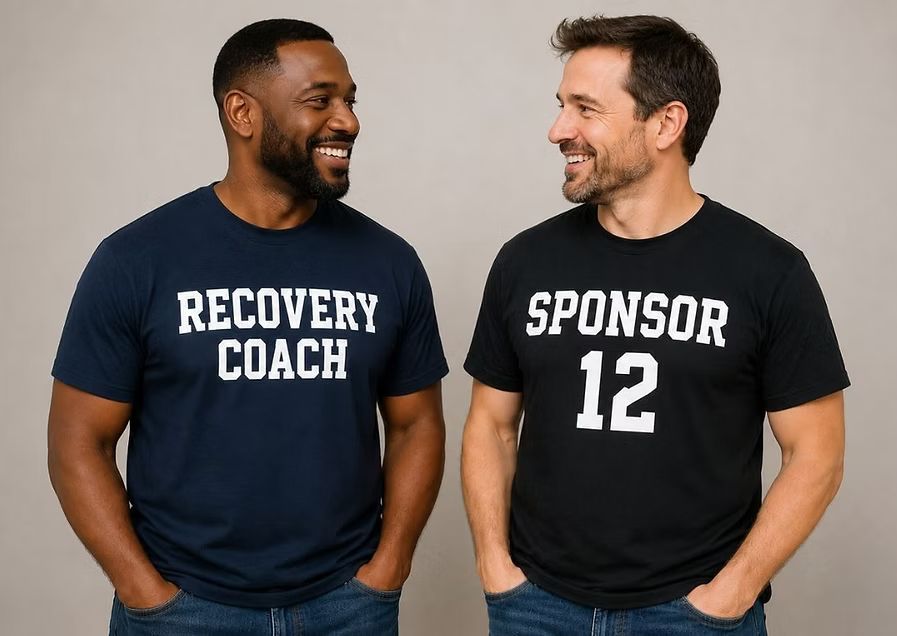
Because there are similarities, many people assume they are essentially the same thing. Others mistakenly believe that recovery coaching is simply sponsorship for hire. In reality, sponsors and recovery coaches serve different purposes, bring different strengths to the recovery process, and often help individuals in very different ways. Understanding those differences can help people make informed decisions about the type of support they may need at various stages of their recovery journey. The truth is that recovery is rarely a one size fits all process. Just as no two people arrive at recovery in exactly the same way, no two people maintain recovery in exactly the same way. Some individuals thrive with sponsorship alone. Others benefit from the additional structure and support a recovery coach can provide. Many find that a combination of supports creates the strongest foundation for long term success. Why the confusion exists Part of the confusion stems from the fact that both sponsors and recovery coaches often have lived experience with addiction and recovery. Both may share their stories. Both may provide encouragement during difficult moments. Both may help individuals stay focused on their recovery goals. Both may challenge unhealthy thinking and celebrate personal victories. From the outside looking in, the roles can appear remarkably similar. Yet when we look deeper, important distinctions begin to emerge. Sponsors and recovery coaches approach recovery from different perspectives, operate within different frameworks, and focus on different aspects of a person's journey. Neither role is better than the other. They are simply designed to meet different needs. The role of a sponsor For generations, sponsorship has been one of the cornerstones of Twelve Step recovery fellowships such as Alcoholics Anonymous (AA) and Narcotics Anonymous (NA). A sponsor is typically someone who has achieved sustained recovery and has worked through the Twelve Steps. They volunteer their time to help guide another person through the same process. Sponsors are not therapists, counselors, or clinicians. They are peers who offer guidance based on their own recovery experience and their understanding of the Twelve Step program. Their primary role is to help someone navigate the recovery process within the fellowship. Sponsors often help individuals work through the Twelve Steps, understand recovery literature, stay connected to meetings, develop accountability, apply spiritual principles, learn from shared experiences, and navigate challenges in early recovery. One of the greatest strengths of sponsorship is hope. When someone enters recovery feeling defeated, ashamed, or uncertain, they can look at a sponsor and see living proof that recovery is possible. The sponsor has walked a similar road. They understand the struggles, the setbacks, and the victories because they have experienced them firsthand. That type of lived experience is incredibly valuable and has helped millions of people achieve and maintain recovery. The emergence of recovery coaching While sponsorship has existed for decades, recovery coaching is a relatively newer profession that has grown significantly over the past twenty years. As addiction treatment and recovery support services evolved, professionals began recognizing that many individuals needed help navigating challenges that extended beyond treatment programs, support groups, and recovery meetings. People needed support rebuilding their lives. They needed help setting goals, creating structure, repairing relationships, finding employment, accessing resources, and developing healthy routines. Simply put, they needed support not only in maintaining recovery but also in creating a meaningful life in recovery. This realization helped fuel the growth of recovery coaching. A Certified Addiction Recovery Coach is a trained professional who helps individuals identify goals, overcome obstacles, access resources, and build recovery capital, the internal and external strengths that support long term recovery. Recovery coaching is person centered, strengths based, and future focused. Rather than telling people what they should do, coaches help clients identify what they want for their lives and develop practical strategies for achieving it. The focus is not on directing a person's recovery journey. The focus is on helping them build one. What does a recovery coach actually do? One of the biggest misconceptions about recovery coaching is that coaches simply check in on clients or provide encouragement. While encouragement is certainly part of the process, effective recovery coaching goes much deeper. A recovery coach may help a client create a personalized recovery plan, develop structure and accountability, identify triggers and high risk situations, improve communication skills, rebuild family relationships, strengthen relapse prevention strategies, connect with treatment providers and community resources, build confidence and self esteem, set career, educational, and personal goals, establish healthier lifestyle habits, and develop a vision for the future. Recovery coaching is often described as helping people move from surviving to thriving. Recovery is about far more than simply removing a substance from one's life. It is about creating a life worth staying sober for. Recovery beyond the meeting room One of the greatest strengths of Twelve Step fellowships is that they provide connection, accountability, spiritual growth, and a community of people who understand addiction firsthand. However, many individuals discover that recovery involves more than attending meetings and working the steps. Eventually, life begins happening outside the meeting room. A person may need to rebuild trust with a spouse. A parent may need to repair a relationship with a child. Someone may need to return to work after treatment, create a daily routine, improve physical health, manage finances, or learn how to cope with stress without turning to substances. These challenges often require practical planning, problem solving, and ongoing support. This is where recovery coaching can be particularly valuable. Recovery coaches help individuals translate recovery principles into daily action. For example, someone may understand the importance of accountability but struggle to create structure in their day. Another person may be committed to recovery but feel overwhelmed by unemployment, transportation challenges, housing concerns, or family conflict. A recovery coach helps clients identify obstacles, develop realistic goals, create action plans, and build confidence as they move forward. The focus is not simply on staying sober today. The focus is on building a meaningful and sustainable life in recovery. Professional training and ethical standards Another important distinction between sponsors and Certified Addiction Recovery Coaches involves training and professional standards. Sponsors bring one of the most powerful tools available in recovery, lived experience. Their personal journey often provides hope, encouragement, and practical wisdom that cannot be learned in a classroom. Recovery coaches may also have lived experience, but they receive formal training designed to support individuals in a professional capacity. Certified Addiction Recovery Coaches are trained in areas such as motivational interviewing, active listening, ethical boundaries, recovery planning, communication skills, cultural competency, recovery capital development, and person centered support. Coaches are also expected to operate within a defined scope of practice. They do not diagnose mental health conditions. They do not provide therapy. They do not replace treatment professionals. Instead, recovery coaches help clients identify goals, remove barriers, access resources, and strengthen long term recovery. This professional framework helps ensure that coaching remains ethical, focused, and client centered. 5 questions to ask when choosing a recovery coach Not all recovery coaches have the same training, experience, or approach. If you are considering working with a recovery coach, asking the right questions can help ensure a good fit. What training and certifications do you hold? Look for coaches who have completed recognized recovery coach training programs and maintain professional standards. Do you have experience working with my specific challenges? Recovery journeys vary. Some coaches specialize in substance use disorders, while others focus on family recovery , executive coaching , faith based recovery, young adults, or relapse prevention. What does a typical coaching relationship look like? Ask how often sessions occur, whether coaching is in person or virtual, and what type of accountability and support is provided between sessions. How do you work alongside sponsors, therapists, and treatment providers? Effective coaches understand that recovery often requires a team approach and should be willing to collaborate within appropriate boundaries. How do you help clients set and achieve goals? A strong recovery coach should be able to explain how they help clients create structure, overcome obstacles, and build a meaningful life in recovery. The right coach is not someone who tells you what to do. The right coach helps you discover where you want to go and supports you in getting there. When a sponsor may be enough For many individuals, sponsorship may provide exactly the support they need. Someone who is actively engaged in a Twelve Step fellowship, has strong family support, stable employment, healthy routines, and access to community resources may find that sponsorship provides sufficient guidance and accountability. Many people have achieved decades of successful recovery through sponsorship and fellowship alone. That reality deserves recognition and respect. The goal of recovery coaching is not to replace sponsorship. The goal is to provide additional support when needed. When additional coaching support may help There are also situations where coaching can provide unique value. A person may be transitioning home from treatment and feeling overwhelmed. A professional may be concerned about balancing recovery with a demanding career. A parent may be struggling to rebuild trust within the family. Someone may feel isolated and uncertain about creating structure in daily life. Others may need help navigating housing, employment, transportation, healthcare, or community resources. In these situations, recovery coaching can provide practical support that complements the work being done with a sponsor. Family members may also benefit from coaching. Addiction affects entire family systems, and loved ones often struggle with confusion, fear, resentment, guilt, and exhaustion. Family recovery coaching can help loved ones establish healthy boundaries, improve communication, and better understand the recovery process. Recovery works best as a team effort One of the greatest myths in recovery is that people must figure everything out alone. The reality is that successful recovery is often built through connection. Sponsors, recovery coaches, therapists, physicians, clergy, treatment providers, support groups, family members, and recovery communities can all play important roles. Each brings unique strengths. A sponsor may help someone work the Twelve Steps. A therapist may help address trauma and mental health concerns. A physician may address medical needs. A recovery coach may help create structure, accountability, and forward momentum. Together, these supports can create a powerful network of recovery capital. No single person needs to fill every role. It’s not about choosing sides Unfortunately, discussions about sponsors and recovery coaches are sometimes framed as a competition. They shouldn’t be. The recovery landscape has evolved significantly over the past several decades. Today, individuals have access to more support options than ever before. Sponsors remain a vital part of Twelve Step recovery. Their lived experience, guidance, and commitment to helping others continue to change lives every day. At the same time, Certified Addiction Recovery Coaches provide an additional layer of structured, person centered support that helps individuals navigate the practical realities of rebuilding a life in recovery. Recovery is not about choosing sides. It is about finding the support system that helps a person grow, heal, and move forward. Because recovery is about more than abstinence. It is about purpose. It is about connection. It is about creating a life that no longer requires escape.

Learn how a recovery coach can support individuals navigating summer social events, vacations, and high-risk situations. Read more about managing recovery during summer.