Summer Recovery: Why a Recovery Coach Can Be Your Greatest Ally
Summer is often associated with freedom, relaxation, and celebration. The weather improves, the days grow longer, and social calendars quickly begin to fill with beach trips, pool parties, barbecues, concerts, vacations, and holiday weekends. For many people, it is the most anticipated season of the year.

But for individuals navigating recovery from alcohol or substance use, summer can also become one of the most emotionally challenging seasons to manage.
Behind the images of gatherings and celebrations often sits an uncomfortable reality: alcohol and substances frequently become the focal point of summer socializing. What may appear harmless or “normal” to others can create anxiety, temptation, emotional exhaustion, and isolation for someone working hard to protect their sobriety. The pressure to participate, the fear of feeling left out, and the memories tied to past summer behaviors can quietly begin to wear down even strong recovery foundations.
This is where the value of a recovery coach becomes especially important.
What is a Recovery Coach and Why Do You Need One Now?
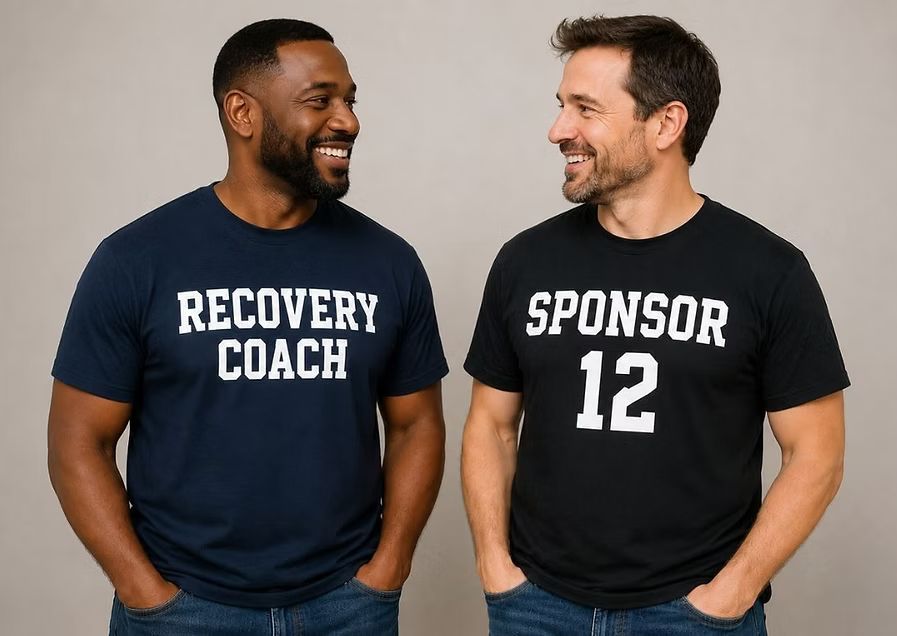
If you have ever wondered, what is a recovery coach and how do they differ from a sponsor or therapist, the answer lies in their actionable, real-time approach.
A recovery coach provides support, structure, accountability, and perspective during a season that can easily become unstructured and unpredictable. Summer routines often shift dramatically. Vacations interrupt schedules. Long weekends create opportunities for impulsive decisions. Late nights and social gatherings can slowly pull individuals away from the healthy disciplines that helped stabilize their recovery in the first place.
Even individuals who are doing well can find themselves caught off guard.
Navigating Relapse Triggers in Summer and Social Settings
One of the most important roles of a recovery coach is helping clients prepare before difficult situations arise. Recovery rarely succeeds by accident, particularly during high-risk seasons. Entering summer without a clear plan can leave individuals vulnerable when triggers unexpectedly appear. A coach can help identify the people, places, and situations that may increase emotional stress or temptation. Certain social circles, parties, bars, vacations, or even family events may require new boundaries in order to protect long-term recovery.
Coaching also provides practical preparation. A recovery coach can help clients create a personalized summer action plan that includes accountability check-ins, healthy routines, sober activities, and clear coping strategies for stressful situations. Just as importantly, a coach can help clients develop an exit plan before attending events where alcohol or substances may be present.
Sometimes the healthiest decision is leaving early. Sometimes it means attending with sober support. Other times it means declining an invitation altogether. Preparing these decisions ahead of time removes pressure in the moment and helps clients respond intentionally rather than emotionally.
The Benefits of a Sober Companion Services for Travel and Major Events
For major summer milestones or trips, learning how to stay sober on vacation can feel overwhelming. For some individuals, having a recovery coach serve as a sober companion during vacations, weddings, business trips, or large social events can be a true game changer. A sober companion provides real-time support in environments that may otherwise feel overwhelming or unsafe. Simply knowing that someone is there solely to support and protect recovery can significantly reduce anxiety and strengthen confidence.
And that distinction matters.
A recovery coach is not simply a friend reminding someone to “take it easy,” nor are they a family member who may unintentionally become emotionally compromised during a social event. Loved ones often care deeply, but they can also get caught up in the atmosphere of the moment. A recovery coach remains focused on one priority: helping the client protect and strengthen their long-term recovery.
At Ground Zero Recovery Coaching, we often remind clients that relapse rarely happens suddenly. In many cases, it begins emotionally and mentally long before substances are ever picked up. Recovery coaches are trained to recognize emotional warning signs, behavioral shifts, rationalization patterns, and the subtle thought processes that can quietly place someone at risk.
Summer environments can unintentionally fuel those risks.
Longer days, social media comparisons, disrupted routines, and increased social pressure can create emotional vulnerability, even for individuals with strong sobriety. Many clients begin to romanticize past experiences, convincing themselves that “this summer will be different.” Others may feel isolated watching friends and family participate in activities they once associated with drinking or substance use.
A skilled recovery coach helps clients challenge those thought patterns while also helping them redefine what healthy enjoyment and connection can look like.
How to Have Fun Without Alcohol: Redefining Your Summer Lifestyle
One of the most transformative aspects of recovery coaching is helping individuals rewire their understanding of fun, connection, and fulfillment. Many people entering recovery genuinely ask themselves how to have fun without alcohol, believing that substances were necessary to relax, socialize, celebrate, or escape stress. Summer often magnifies those beliefs because so many memories and traditions are attached to alcohol or substance use.
But sustainable recovery is not simply about avoiding substances. It is about building a life that no longer depends on them.
A recovery coach helps clients discover healthier ways to experience joy, connection, and purpose. That may include fitness goals, beach walks, fishing, travel with accountability, volunteering, faith-based activities, wellness communities, or sober social groups. It may also involve helping clients reconnect with hobbies, passions, and relationships that were neglected during active addiction.
Recovery should never feel like punishment or isolation. In many ways, recovery coaching helps individuals rediscover how to fully live again.
Establishing Long-Term Structure and Accountability
Another critical aspect of coaching during the summer months is accountability. Summer often creates a false sense of freedom that can gradually weaken structure and discipline. Recovery coaching helps clients stay grounded in their goals while also providing consistent encouragement during emotionally challenging periods.
A good recovery coach becomes an anchor during seasons that may otherwise feel emotionally unpredictable. They help clients slow down impulsive thinking, process emotions more clearly, and make decisions aligned with their long-term goals rather than temporary emotions. They also celebrate progress that others may never fully understand.
Sometimes the greatest victory is simply making it through one event sober.
The truth is, recovery during summer does not have to become a season of fear or deprivation. With the right support system in place, it can become a season of growth, confidence, healing, and personal transformation. Individuals can learn that meaningful connection, relaxation, joy, and fulfillment are all possible without alcohol or substances.
Recovery coaching is not about controlling someone’s life. It is about helping individuals build a life worth protecting.
Take the Next Step with Ground Zero Recovery Coaching
As summer approaches, many people prepare for vacations, parties, and long weekends. For those in recovery, however, it may also be the ideal time to strengthen accountability, establish a clear plan, and ensure they are not walking into difficult situations unsupported. Having a recovery coach by your side can often make the difference between simply getting through the summer and truly thriving within it.
To learn more about recovery coaching, personalized sober companion assets, and dedicated family recovery support, visit Ground Zero Recovery Coaching at https://www.groundzerorecoverycoaching.com/.